The B2B Appointment Setting Playbook: Cold Email Sequences That Book Calls in 2026
April 27, 2026 · 5 min read · by Ahmet Faruk Yilmaz, Founder of Asphia
TL;DR
Cold email books B2B appointments when it starts with a clear trigger, runs for three to four steps, and addresses one problem the prospect has now. Volume alone does not book calls. Signal-led timing, verified contacts, and one clear ask do.
Cold email appointment setting is not a volume game. Campaigns that book calls consistently reach the right person at the right moment, use copy specific to that moment, and keep the sequence short enough to protect deliverability.
Start With a Signal, Not a List
The biggest mistake in cold email appointment setting is starting with a list of titles and hoping for the best. Generic ICP targeting (“VP Sales at SaaS companies, 50 to 500 employees”) gets you volume. A signal gives you timing.
A signal is a public data point indicating that the prospect has a live problem. The most reliable ones are:
- A decision-maker changing jobs in the last 90 days (new role, new mandate, open to new vendors)
- Active job postings for roles your solution replaces or supports (they have budget and a defined problem)
- A recent funding round (pressure to show growth, willingness to invest in tools)
- A tool adoption or migration visible in job descriptions or tech stack data
Signal-led outreach works because your opening line writes itself. “You just posted three SDR roles” is a better opener than “I help companies like yours grow revenue.” One is specific and timely. The other is noise.
For sourcing signals at scale, Clay enrichment and Apollo layer well together. Clay pulls and enriches; Apollo surfaces company-level signals. The combination gives you a verified contact with a reason to reach out, which is the core of any working B2B appointment setting service.
Sequence Structure That Actually Books Calls
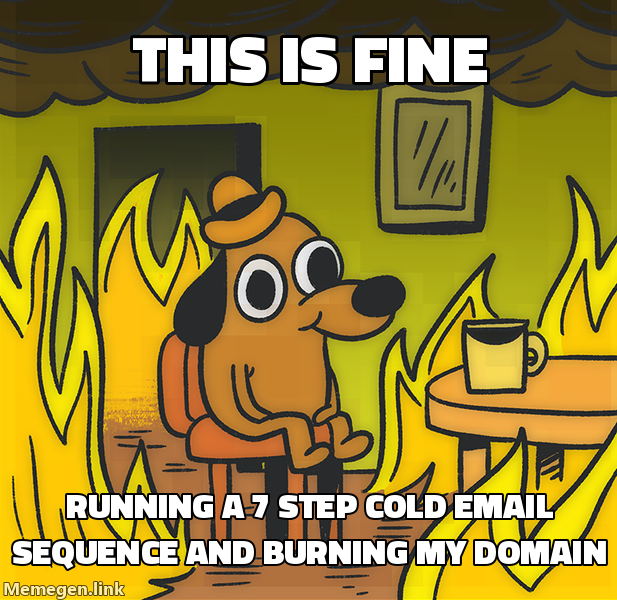 Three to four steps books the call. Seven steps books a reputation problem.
Most appointment setting sequences are too long. Seven steps over 30 days teaches prospects to ignore you. Three to four properly spaced steps get you a decision faster.
Step 1: The Opener (Day 1) One specific observation based on your trigger signal. One sentence on why it is relevant to them. One clear ask, phrased as a question. Total length: under 80 words. No attachments. No pitch decks. No “I’ll be brief.”
Step 2: The Value Add (Day 4 to 5) A different angle, not a repeat of step one. Use a framework, a short observation about their vertical, or a relevant example from a similar company (described generically, without invented numbers). Add information without begging for a response.
Step 3: The Short Bump (Day 9 to 11) Two to three sentences. Ask if this landed in the wrong inbox or at the wrong time. Make it easy to say “not now” so you can re-engage later. This step protects your sender reputation by giving prospects a soft out.
Step 4: The Breakup (Optional, Day 18 to 20) “Closing your file” style. Works for some verticals, not all. Skip it if your average sales cycle is short or if the product is high-touch enough that a breakup feels presumptuous.
Each step lives in the same thread. Subject line stays identical after step one. Reply rates compound across the thread, and most positive responses come from steps two and three, not the opener.
Copy Formulas That Work for Appointment Setting
Appointment setting copy has one job: earn a calendar invite. It does not need to educate, persuade, or establish authority. It needs to get one meeting.
That constraint simplifies everything:
The opener formula: Signal observation + why it is relevant to them + calendar ask.
Example pattern (not a script to copy verbatim): “Noticed you’re scaling your outbound team based on recent hires. Most teams in that phase hit the same ramp-time wall at around the three-month mark. Worth 20 minutes to show you how we cut that in half?”
What to avoid: compliments (“Love what you’re building”), vague claims (“We help companies like yours grow revenue 3x”), long intros about your company, and questions that require the prospect to do work (“What are your biggest challenges with SDR ramp?”).
Subject lines for appointment setting: Keep them short and specific, with no question marks. “Your SDR ramp time” outperforms “Quick question about your sales process?” every time. The subject line should make the opener credible, not tease the reader.
For cold email for agencies and service businesses in particular, the copy that books the most calls usually looks like it was written by someone who already knows the prospect’s problem, not by someone trying to discover it.
Deliverability Is Half the Battle
A sequence with great copy and no deliverability is invisible. The mechanics:
- Use dedicated sending domains, warmed for at least three weeks before launch
- Send from a human name on a real-looking domain (not info@, not noreply@, not your brand domain at full blast)
- Keep daily send volume per mailbox conservative, especially in the first 60 days
- Verify every contact before sending. Bounce rates above two percent damage domain reputation fast
Google and Microsoft’s bulk sender guidelines (published at support.google.com) require one-click unsubscribe and a clean sending record. In 2026, both are baseline requirements.
If you want to skip the infrastructure setup entirely, a done-for-you cold email setup handles domain provisioning, warm-up, and deliverability monitoring before the first contact is ever sent.
What Appointment Setting Actually Produces
Booked calls start the pipeline. A well-run cold email appointment setting system fills the calendar with pre-qualified, in-context meetings, but only if the handoff is clean.
The contact who replies positively has already seen your opener, your value framing, and your ask. The call should pick up where the email left off, not restart from zero. Brief the sales team on which signal triggered the outreach. Show them what step the prospect replied on. That context shortens the discovery call and improves close rates.
If you are building this in-house, done-with-you outbound lets you own the system while getting the build and sequencing done with expert support. If you want to hand it off entirely, we run outbound across five markets and book calls without requiring you to manage the sequence.
The components are simple: a signal, a short sequence, specific copy, and clean deliverability. The hard part is doing all four consistently.
Get the signal tier list in your inbox.
We rank signals from S to D to decide who gets a cold email and who does not. You get the list once. No follow-up emails.
Request received. The list lands in your inbox within 24 hours.
One more step: send the prepared request to faruk@asphia.consulting
FAQ
How many emails should a B2B cold email sequence have for appointment setting?
Three to four steps is the practical range: a cold opener, one follow-up with a new angle, one short bump, and an optional breakup. Longer sequences produce diminishing returns and can hurt sender reputation. The goal is one booked call, not squeezing every possible reply from the sequence.
What is the best trigger to use for B2B appointment setting cold email?
Job changes among decision-makers, active hiring for roles your solution replaces, recent funding announcements, and new tool adoption all signal a live buying window. The prospect is already in motion, which can shorten the path to a booked call.
How do you write a cold email opener that gets replies for appointment setting?
Start with a specific observation tied to the trigger, not a compliment or a question about their pain. For example: you just posted three SDR roles; here is what teams in your position are doing instead. Use one sentence for the observation, one for its relevance, and one clear ask.
What response rate should I expect from B2B cold email appointment setting?
Response rates vary widely by vertical, list quality, and signal relevance. Signal-led sequences sent to verified decision-makers consistently outperform generic volume blasts. For pipeline, track positive reply rate rather than raw open rate.
Is cold email legal for B2B appointment setting in Europe?
Yes, when done correctly. GDPR permits B2B cold email under legitimate interest, provided you use business email addresses, include a clear opt-out, do not contact people who have unsubscribed, and do not retain data beyond what is necessary. Building suppression lists and documenting your basis are non-negotiable.
How long does it take to see results from a B2B cold email appointment setting campaign?
Most well-built campaigns see initial replies within the first two weeks. Full signal from a sequence takes four to six weeks to accumulate, accounting for follow-up timing and list cycling. Deliverability warm-up and list quality are the most common bottlenecks, not copy.

Ahmet Faruk Yilmaz
Founder of Asphia. He builds and runs signal-based B2B outbound engines for lean teams, and has booked meetings with teams at companies across five markets. Writes about cold email, Clay, deliverability, and GTM engineering.
Want this run for you?
Get a free GTM analysis. We show you the exact engine we would build.
Get your free GTM analysis →