The best Apollo alternatives for EU and non-US data in 2026
June 15, 2026 · 6 min read · by Ahmet Faruk Yilmaz, Founder of Asphia
TL;DR
Apollo is a fine US base layer but weak on EU, Nordics, DACH and MENA. Stop replacing Apollo with one tool and start waterfalling Cognism, Clay, Apollo and a verifier so coverage and GDPR both hold.
Apollo is a great US database. It is a mediocre European one. The moment your ICP sits in Munich, Amsterdam, Stockholm or Dubai instead of Austin, match rates drop, mobile numbers go empty, and your GDPR exposure goes up. Here is what we run instead, and exactly when each source wins.
We send outbound in TR, EN, NL, DE and AR every week. The data layer below is what survived contact with real reply rates and real deliverability, not a vendor demo.
Why Apollo struggles outside the US
Apollo’s core asset is a huge US-centric contact graph rebuilt from email signatures and web data. That model is strong where US professionals leak data through SaaS sign-ups and public profiles. It gets thin fast where they do not.
What breaks in practice:
- DACH and Nordics coverage. Job-title and direct-dial fill rates fall well below the US numbers Apollo markets. Germany, Austria, Switzerland and the Nordics are the worst offenders.
- Mobile numbers in the EU. Phone data is the first thing to disappear under GDPR. Apollo will hand you an email and a blank phone field for most German contacts.
- MENA and CEE. Turkey, the Gulf, Poland and the Baltics are sparse. You will get logos, not decision-makers.
- Consent posture. Apollo’s model leans on legitimate-interest scraping. That is workable, but it puts the compliance burden on you, and EU buyers notice when a cold mobile call has no opt-out path.
Apollo is not the problem. Treating Apollo as your only source for a European ICP is the problem.
The data sources we actually run in 2026
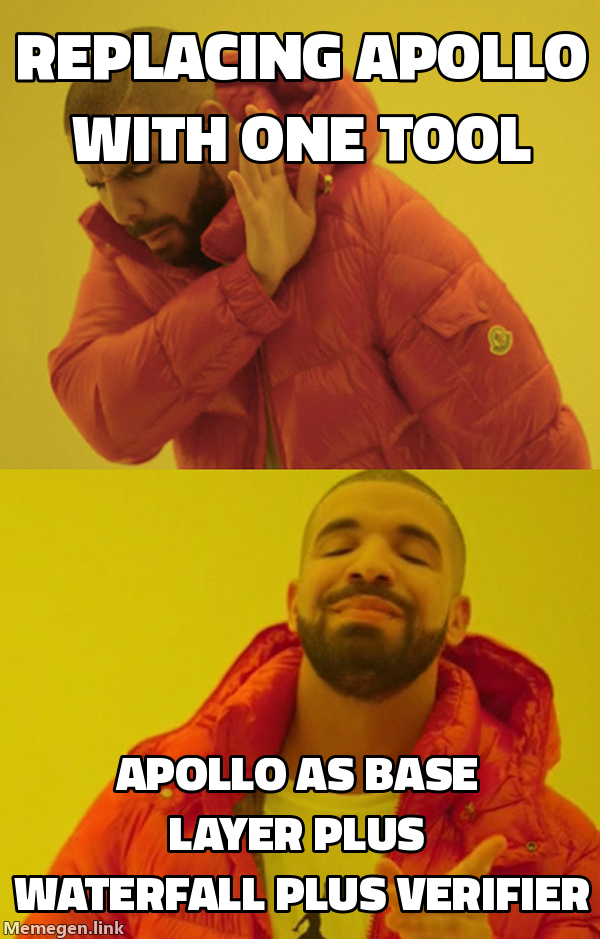 No single tool fixes EU data. The waterfall does.
We do not pick one Apollo replacement. We layer sources and pay per source only for the rows the cheaper layer misses. Here is the short list.
Cognism
The strongest single GDPR-native source for EU contact data. Cognism’s “Diamond Data” verifies phone numbers by calling them, and its notify-and-suppress flow is built for European consent law instead of bolted on. DACH and UK mobile coverage beats Apollo by a wide margin. It is the premium layer, so you do not run it on every row, you run it on the rows that matter.
Clay
Not a database. The orchestration layer that makes every other source usable. Our Clay enrichment service lets you waterfall providers: try the cheap source first, fall back to the next, verify, and stop the moment you have a valid record. For EU data, this cuts wasted provider spend and keeps dead inboxes out of your campaigns.
Apollo (kept, not killed)
We keep Apollo as the base layer. It is cheap, fast, and good enough for US rows and basic firmographics everywhere. The trick is to demote it from “only source” to “first attempt”, then waterfall up when it returns empty.
Lusha
Better than Apollo for European mobile numbers in mid-market and SMB. Self-service, GDPR-aware, and a good middle tier between Apollo and Cognism on price.
Local and specialist sources
- Kaspr for LinkedIn-driven EU contact pulls, strong on French and DACH mobiles.
- RocketReach and ContactOut as email fallbacks in the waterfall.
- BoldData or local registries for true firmographic depth in markets Apollo ignores, like Benelux and CEE.
Then a verifier on top. Always. We run every email through a validation pass before it touches a campaign. Bounce rate is the deliverability killer, and EU lists rot faster because of stricter retention.
Apollo alternatives compared
| Tool | Best region | EU mobile data | GDPR posture | Price tier | Best for |
|---|---|---|---|---|---|
| Apollo | US, UK | Weak | Legitimate interest, DIY | Low | Base layer, US firmographics |
| Cognism | DACH, UK, EU | Strong (phone-verified) | Notify and suppress, native | High | Premium EU mobile and compliance |
| Lusha | Western EU | Medium | GDPR-aware | Medium | Mid-market mobile, self-service |
| Kaspr | France, DACH | Medium to strong | EU-focused | Medium | LinkedIn-sourced EU contacts |
| Clay | Global (orchestration) | Depends on sources | Inherits source | Medium | Waterfalling all of the above |
| RocketReach | US, global email | Weak | DIY | Low | Email fallback in waterfall |
No single row in that table replaces Apollo for a European ICP. The Clay row replaces the idea that one row should.
The waterfall beats any single database
Here is the move that matters more than which vendor you pick. Run a waterfall, not a winner.
The logic we run in Clay:
- Firmographics first. Build the account list from the cheapest source that has the company. Apollo or a local registry.
- Find the person. LinkedIn-driven match to get the exact decision-maker, not a stale title.
- Email waterfall. Apollo, then RocketReach, then ContactOut. Stop at the first valid hit.
- Phone waterfall. Lusha, then Kaspr, then Cognism Diamond Data for the high-value rows.
- Verify. Every email through validation. Drop catch-alls and risky rows before they cost you a domain.
What this gets you: match rates on EU lists improve materially when you run a waterfall instead of leaning on Apollo alone, and you pay premium per-row prices only on the rows that actually need them. You are not buying a better database. You are buying coverage and only paying for what closes the gap.
Make it GDPR-native, not GDPR-anxious
European data is not just a coverage problem. It is a consent problem, and your prospects know the difference between a clean approach and a sketchy one.
What we hold ourselves to:
- Source from notify-and-suppress providers like Cognism for cold mobile outreach, so contacts have a real opt-out path.
- Keep an audit trail. Record where every record came from and on what legal basis. Clay makes this easy because the source is logged per row.
- Honour suppression instantly. One unsubscribe should suppress across every campaign and every channel, not just the one that got the reply.
- Do not retain dead data. Re-verify on a cycle and delete what you cannot defend keeping.
This is not just risk reduction. A GDPR-clean approach reads as professional to EU buyers, and professional gets replies. Sloppy data scraping reads as spam, and spam gets blocked. The European Data Protection Board publishes guidance on legitimate interest for B2B outreach that sets the standard agencies and teams should follow.
How to choose for your ICP
Pick by where your buyers actually sit, not by brand recognition.
- Mostly US, some UK. Apollo plus a verifier. Do not overbuy.
- DACH, Nordics, or high-value EU mobile outreach. Cognism as the premium layer, Apollo as the base, Clay to waterfall between them.
- Mid-market Western Europe on a budget. Lusha plus Apollo plus a verifier.
- MENA, CEE, or sparse markets. Local registries and LinkedIn-driven enrichment through Clay. No single US database will save you here.
- Multilingual or multi-region. Skip the single-tool dream entirely. Build the waterfall. Our B2B lead generation agency in Europe handles this full stack for teams that want the coverage without the build time.
The agencies still arguing about “Apollo vs Cognism” are asking the wrong question. The teams winning EU outbound stopped picking one and started orchestrating several.
Stop replacing Apollo. Demote it, waterfall around it, and pay premium prices only on the rows that earn them.
Get the signal tier list in your inbox.
We rank signals from S to D to decide who gets a cold email and who does not. You get the list once. No follow-up emails.
Request received. The list lands in your inbox within 24 hours.
One more step: send the prepared request to faruk@asphia.consulting
FAQ
Is Apollo good for European data?
Apollo is solid for US firmographics and decent for UK and Western Europe, but coverage thins in DACH, Nordics, CEE and MENA, and mobile numbers are weak under GDPR.
What is the best Apollo alternative for GDPR compliance?
Cognism is the strongest single GDPR-native source for EU contact data, with notify-and-suppress workflows and stronger mobile coverage than Apollo.
Do I need to replace Apollo entirely?
No. Keep Apollo as a cheap base layer and waterfall to Cognism, local sources and a verifier through Clay so you only pay premium providers for the rows Apollo misses.
How do I get mobile numbers for DACH contacts without violating GDPR?
Cognism's Diamond Data is the most reliable route: numbers are verified by a live call, and the suppress-on-request workflow meets EU consent requirements. Lusha and Kaspr are lower-cost middle tiers that cover Germany and Austria reasonably well, but phone-verified fill rates are lower than Cognism's.
What is a data waterfall and why does it matter for EU outbound?
A waterfall runs each contact through a sequence of providers, cheapest first, and stops the moment it returns a valid, verified record. For EU lists this matters because no single source covers every market well. Waterfalling Apollo into Cognism or Kaspr through Clay cuts both cost and bounce rate compared to buying one premium database outright.
Which Apollo alternative works best for outbound in Turkey and the Middle East?
Apollo is sparse for Turkey, Gulf and North Africa. A combination of LinkedIn-sourced data via Clay and AI Ark for email finding works better in these markets. Local B2B registries and company websites are stronger firmographic signals than any global database for MENA and Turkey.

Ahmet Faruk Yilmaz
Founder of Asphia. He builds and runs signal-based B2B outbound engines for lean teams, and has booked meetings with teams at companies across five markets. Writes about cold email, Clay, deliverability, and GTM engineering.
Want this run for you?
Get a free GTM analysis. We show you the exact engine we would build.
Get your free GTM analysis →